
Investing in real estate in El Paso presents unique opportunities, especially when you understand the nuances of exterior building materials. One of the questions savvy investors often ask is how to choose between brick and stucco for rental properties or long-term holds. Both materials are common in El Paso, but each comes with its own strengths and considerations that can influence your bottom line.
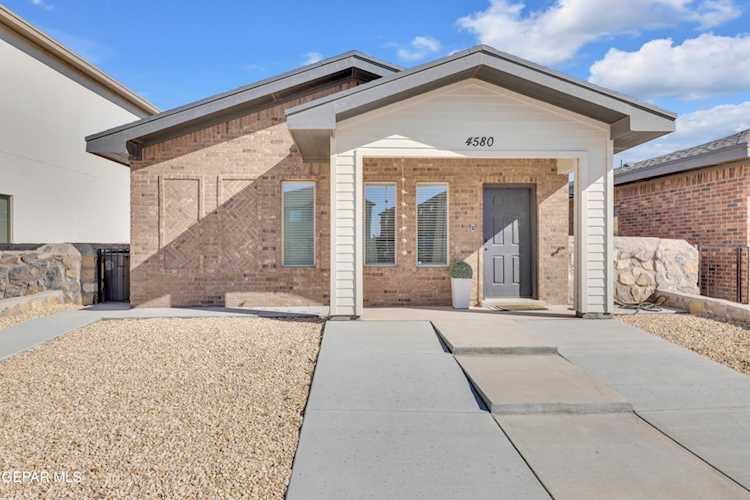
Brokered by Clearview Realty
At first glance, brick homes in El Paso and stucco homes in El Paso might look equally solid choices, but when you peel back the surface, they serve slightly different investment strategies. For properties intended to stay in your portfolio for many years, understanding how each material performs over time — including how it influences maintenance costs, tenant satisfaction, and resale appeal — can be the difference between a good investment and a great one.
Brick has earned its reputation for durability. It resists rot, pests, and harsh weather conditions better than many other exterior finishes, and in El Paso’s dry climate, it holds up exceptionally well with minimal upkeep. Investors who prefer a “set it and forget it” approach often lean toward brick homes because exterior maintenance tends to be predictable and relatively low over the long term. Mortar joints may eventually require attention, but compared to other surface materials, brick’s lifecycle is long and stable. (Brick Industry Association)
Stucco homes in El Paso, on the other hand, are particularly popular in newer developments and often come with a lower purchase price than comparable brick properties. Stucco offers flexibility in design and color, and in El Paso’s desert environment, the material naturally complements local architectural styles. Its insulating qualities can also help regulate interior temperature, which is attractive to potential renters. That said, stucco does need regular inspection for cracks and surface deterioration, especially if you’re planning to hold the property for many years. Investing in quality installation and scheduled upkeep is critical to avoiding more costly repairs later. (Stucco Boy)
From a cash-flow perspective, your choice between brick and stucco should reflect your investment horizon, your tolerance for hands-on maintenance, and how much you’re willing to reserve for future capital expenses. Stucco may offer a lower entry price, but it typically requires more diligence over time to maintain a clean façade and prevent small problems from becoming big ones. Brick may cost more upfront, yet its long-running performance and low exterior maintenance can translate into steadier net operating income and fewer surprises, especially in neighborhoods where brick homes are the norm.
When it comes time to sell, properties that are well-maintained and consistent with the surrounding market tend to attract more buyers and hold value better. Both brick and stucco can be appealing to future investors or owner-occupants, but ensuring that exterior elements are in solid condition is key to maximizing resale potential and reducing days on market.
Brick and stucco each have their place in an El Paso real estate portfolio, and the choice should be driven by your broader investment goals. If your priority is longevity with limited active maintenance, brick may be the right choice. If your strategy emphasizes a competitive entry price with an eye on modern appeal, stucco might be a better fit — as long as you budget for ongoing care. At the end of the day, understanding both materials and how they perform in El Paso’s unique climate will help you make smarter, more confident investing decisions.
May God Bless You Always.
#gowithhumberto